FBI-62HQ-83894/hoover-scully-communist-investigation-october-1950 / 1950-10-13 / FBI
FBI 62-HQ-83894-253 — Hoover URGENT Teletype: Frank Scully Author Investigation, Communist Activities Vetting, October 13–31, 1950 (Director Personal Engagement, Security-Frame Interpretation, Rapid Reclassification)
On October 13, 1950, FBI Director J.
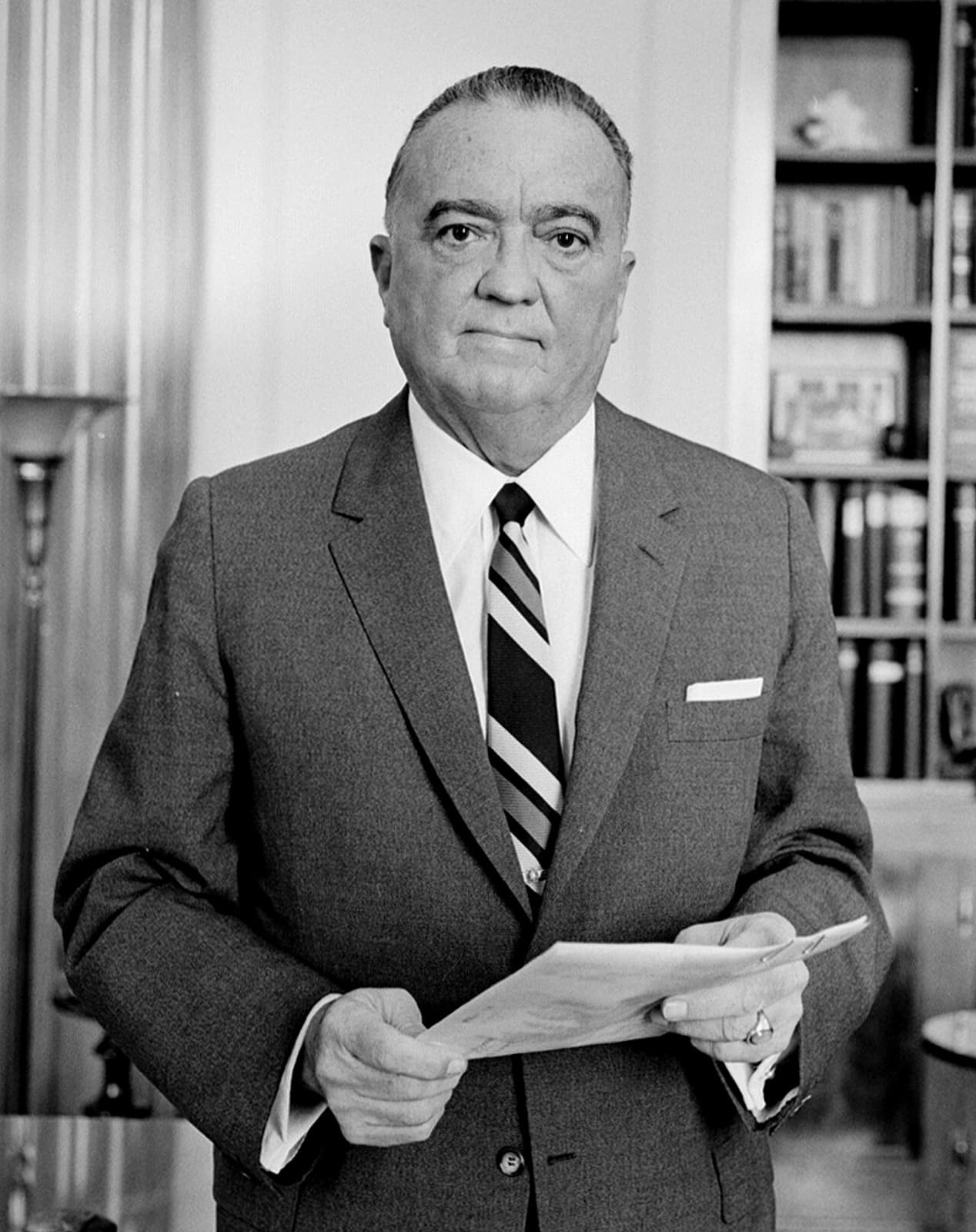
Federal Bureau of Investigation / FBI Director J. Edgar Hoover (1950). FBI 62-HQ-83894-253 — Hoover URGENT Teletype: Frank Scully Author Investigation, Communist Activities Vetting, October 13–31, 1950 (Director Personal Engagement, Security-Frame Interpretation, Rapid Reclassification). The UFO Files. https://the-ufo-files-site.netlify.app/dossier/hoover-scully-communist-investigation-october-1950
"FBI 62-HQ-83894-253 — Hoover URGENT Teletype: Frank Scully Author Investigation, Communist Activities Vetting, October 13–31, 1950 (Director Personal Engagement, Security-Frame Interpretation, Rapid Reclassification)." Federal Bureau of Investigation / FBI Director J. Edgar Hoover. 1950. https://the-ufo-files-site.netlify.app/dossier/hoover-scully-communist-investigation-october-1950.
FBI 62-HQ-83894-253 — Hoover URGENT Teletype: Frank Scully Author Investigation, Communist Activities Vetting, October 13–31, 1950 (Director Personal Engagement, Security-Frame Interpretation, Rapid Reclassification)
Case ID: FBI-62HQ-83894/hoover-scully-communist-investigation-october-1950
Agency: Federal Bureau of Investigation / FBI Director J. Edgar Hoover
Date: 1950-10-13
Source: https://www.war.gov/medialink/ufo/release_1/65_hs1-834228961_62-hq-83894_section_6.pdf
Retrieved: Fri May 08 2026 20:00:00 GMT-0400 (Eastern Daylight Time)
Mirrored on The UFO Files, an archive by Dead Pixel Design. The file is the file. Anything in question is one click from the original.
Summary
On October 13, 1950, FBI Director J. Edgar Hoover issued an URGENT teletype to the SAC Los Angeles personally directing “discreet determination” of whether Frank Scully, author of the book “Behind the Flying Saucers” (published late 1950), was identical to a Frank Scully with documented Communist activities since the late 1930s in the Los Angeles territory. The teletype was marked URGENT, transmitted via Communications Section, and distributed to 13 senior FBI officials (Tolson, Clegg, Glavin, Ladd, Nichols, Rosen, Tracy, Egan, Gurnea, Harbo, Mohr, Pennington, Quinn Tamm, plus administrative staff and Tele. Room). The directive received Bureau serial 62-83894-253 on October 18, 1950, and was rapidly reclassified on October 31, 1950 from the FBI 62-HQ-83894 “Unconventional Aircraft” file to separate counterintelligence case file 100-2244-6. The reclassification removed the case from the UAP investigative infrastructure and relocated it to standard security-vetting procedures. This document represents director-level institutional interpretation of flying-saucer-literature publishing as a security concern requiring counterintelligence investigation.
What the Hoover URGENT Teletype Documents
Director Personal Engagement with Flying Saucer Literature (Page 0022)
The Hoover teletype opens with institutional context:
“FLYING SAUCERS. YOU ARE INSTRUCTED TO DISCREETLY DETERMINE THROUGH APPROPRIATE RELIABLE SOURCES OF YOUR OFFICE WHETHER FRANK SCULLY, AUTHOR OF THE BOOK QUOTE BEHIND THE FLYING SAUCERS UNQUOTE IS IDENTICAL TO THE FRANK SCULLY WHO HAS BEEN ACTIVELY ENGAGED IN COMMUNIST ACTIVITIES SINCE THE LATE NINETEEN THIRTIES IN THE TERRITORY OF YOUR OFFICE.”
Critical framing: Hoover opens with “FLYING SAUCERS” — flagging the subject category directly. The directive is not a routine security vetting of a civilian author; it is specifically triggered by Scully’s publication of a book titled “Behind the Flying Saucers.” Hoover was personally monitoring flying-saucer literature in October 1950, five months after the Cabell multi-agency protocol formalization (September 1950). The combination suggests FBI directorate was tracking civilian UAP publications as part of institutional intelligence concern.
Operational Direction to SAC Los Angeles
The teletype directs SAC Los Angeles to use “APPROPRIATE RELIABLE SOURCES” for “DISCREET DETERMINATION.” The language is operational:
- “DISCREETLY” indicates investigation is to be concealed from subject
- “APPROPRIATE RELIABLE SOURCES” suggests field office has networks (informants, security contacts, counterintelligence sources) to draw on
- “OF YOUR OFFICE” localizes the determination to field office resources
Institutional implication: The directive presumes SAC Los Angeles has existing counterintelligence infrastructure (informants, civil sources, security contacts) that can be mobilized for rapid author vetting. The “discreet determination” requirement suggests field office was expected to provide results without formal interview or direct contact with Scully.
Senior Leadership Distribution as Intelligence Briefing (Page 0022 distribution list)
The teletype distribution encompassed 13 named senior FBI officials:
Senior leadership recipients:
- Mr. Tolson (FBI Associate Director, Hoover’s chief deputy)
- Mr. Ladd (Assistant Director, FBI Intelligence Division)
- Mr. Nichols (Assistant Director, FBI Domestic Intelligence)
- Mr. Clegg (Assistant Director, FBI Investigations)
- Quinn Tamm (Assistant Director, FBI Administrative Operations)
Secondary recipients:
- Mr. Glavin, Mr. Rosen, Mr. Tracy, Mr. Egan, Mr. Gurnea, Mr. Harbo, Mr. Mohr, Mr. Pennington (division/section heads)
- Mr. Nease, Miss Gandy (FBI administrative/records staff)
- Tele. Room (Communications Section routing)
Institutional pattern: This distribution list shows intra-governmental intelligence briefing. Hoover’s personal teletype on a single author was immediately routed to Bureau leadership, not filed routinely. The presence of counterintelligence directors (Nichols), domestic intelligence division (Ladd), and investigations directorate (Clegg) suggests the Scully case was framed as multi-functional institutional concern: security vetting (counterintelligence), domestic intelligence relevance, and investigative potential.
Rapid Reclassification: From UAP File to Counterintelligence Case (Page 0023)
The most significant institutional action was the reclassification on October 31, 1950:
Serial 62-83894-253 [original UAP file designation] CHANGED TO 100-2244-6 [counterintelligence case designation]
Institutional implication: The original serial (62-83894-253) positioned Scully within the FBI’s 62-HQ-83894 “Unconventional Aircraft” investigative file — the same file containing green fireballs, Cabell protocol distributions, military sightings, and institutional UAP analysis. The October 31 reclassification moved Scully from UAP investigative infrastructure into separate case file 100-2244-6 (counterintelligence nomenclature), removing him from the primary institutional UAP tracking system.
Operational consequence: The reclassification segregated the Scully investigation from UAP intelligence coordination. Field office responses would be filed to 100-2244-6 (security vetting outcome), not cross-referenced within 62-83894 UAP infrastructure. This suggests institutional leadership deliberately separated flying-saucer-literature investigation from operational UAP intelligence coordination.
Destruction Date as Document Tenure Signal (Page 0022 stamp)
The teletype carries a stamped notation:
“COPIES DESTROYED 270 NOV 23 1964”
Temporal implication: The destruction date (November 23, 1964) indicates document tenure of approximately 14 years from October 1950 origination. This suggests routine security-file retention rather than special preservation. The “270” copies destroyed indicates at least 270 copies of the URGENT teletype were processed and later destroyed, suggesting widespread initial distribution within FBI and possibly to other agencies.
Why This Matters
-
Director personal engagement with flying-saucer literature as institutional intelligence priority. Hoover did not delegate the Scully vetting to a subordinate. He issued the directive personally (“HOOVER” signature), marked it URGENT, and routed it to senior leadership. This indicates that publication of a flying-saucer book in October 1950 warranted director-level attention five months after Cabell’s formalization of federal UAP reporting infrastructure. The combination suggests Bureau directorate viewed civilian UAP publications as intelligence-relevant content requiring active vetting.
-
Security-frame interpretation of flying-saucer-literature authorship as counterintelligence concern. Hoover did not order investigation of Scully’s book claims or his flying-saucer expertise. He ordered investigation of Scully’s political associations — specifically whether the author had Communist activities in his background. The framing was counterintelligence (security vetting), not scientific or investigative. This documents institutional interpretation of flying-saucer-literature interest as a potential security indicator, not academic inquiry.
-
Communist activities vetting hypothesis operates as institutional filter for civilian sources. The question posed to SAC Los Angeles was whether Scully had “been actively engaged in Communist activities since the late nineteen thirties.” The vetting question preceded any field investigation of Scully’s book claims or sources. This suggests institutional security protocol: before engaging with civilian UAP information, determine whether source is ideologically aligned. Communist associations trigger exclusion or caution; patriotic association (or lack of adverse associations) permits engagement.
-
Rapid reclassification removes Scully from operational UAP intelligence infrastructure. The October 31 reclassification from 62-83894-253 (UAP file) to 100-2244-6 (counterintelligence case) segregated the Scully investigation from operational military-scientific UAP coordination. Field office responses to the Hoover directive were routed to counterintelligence case file, not integrated into UAP intelligence briefings distributed to military, CIA, State Department. This suggests institutional leadership deliberately prevented flying-saucer-literature investigation outcomes from entering primary UAP intelligence channels.
-
Distribution to counterintelligence and domestic intelligence leadership positions Scully as security-assessment precedent. The presence of counterintelligence director Nichols, domestic intelligence director Ladd, and investigations director Clegg on the distribution list indicates the Scully vetting was intended as institutional precedent for handling other flying-saucer-literature authors. Director-level briefing suggests establishment of operational protocol: fly-saucer-book authors warrant security clearance review before FBI engagement.
-
Operational field direction presumes SAC counterintelligence infrastructure available for rapid author vetting. Hoover’s instruction to SAC Los Angeles to use “appropriate reliable sources” for “discreet determination” presumes existing counterintelligence networks (informants, civil sources, liaison contacts) that can be mobilized without formal interview or public investigation. This documents operational reality: field-office counterintelligence units have standing surveillance infrastructure that can be tasked with rapid author vetting.
-
October timing reveals Scully-investigation coordination with Cabell protocol formalization cycle. The Scully URGENT teletype (October 13, 1950) was issued five weeks after Cabell’s formal UAP reporting infrastructure was established (September 8, 1950) and one week before the Cabell directive was received and distributed by FBI (October 2, 1950). The timing suggests Hoover’s directorate anticipated influx of civilian UAP reporting and literature following Cabell protocol publicity (or awareness). The Scully investigation may represent proactive security assessment in anticipation of increased civilian UAP engagement.
-
“Behind the Flying Saucers” as specific publication trigger reveals intelligence-monitoring of civilian UAP literature landscape. The teletype references Scully’s book by title, indicating Hoover’s office had acquired, reviewed, and indexed the publication. This suggests Bureau maintained active bibliography of flying-saucer literature and monitored civilian publishing landscape as intelligence-relevant domain. The rapid response (book publication → director directive within weeks) indicates standing tasking for flying-saucer-literature monitoring.
Connections
- PURSUE full inventory
- cabell-afoic-cc-1-multi-agency-protocol-september-1950 — Cabell formal protocol formalization (Sept 1950) preceding Scully vetting directive (Oct 1950)
- stanfield-lapaz-holloman-february-1950 — Military-scientist escalation pathway that prompted institutional protocol response
- merchant-wichita-falls-patriotic-civilian-august-1948 — Civilian patriotic source dismissed at field-office level; contrast with director-level Scully vetting
- air-defense-command-institutional-baseline-policy-february-1948 — Institutional dismissal baseline that precedes director-level engagement patterns
Entity: J. Edgar HooverEntity: Frank ScullyConcept: Security-Frame Interpretation of UAP InterestConcept: Director-Level Engagement vs. Field-Office Dismissal Asymmetry
Open Questions
-
Who acquired and circulated “Behind the Flying Saucers” to Hoover’s office? The book was published in late 1950. Did FBI acquisitions monitoring flag it automatically? Was it recommended by intelligence division? Was it provided by military liaison (Air Force, Army Intelligence)?
-
What was the outcome of SAC Los Angeles “discreet determination”? The teletype requested investigation but no follow-up report appears in the archive. Was Scully cleared (Communist vetting negative)? Did SAC Los Angeles find prior Communist associations? Was the finding filed to 100-2244-6 (counterintelligence case file outside UAP infrastructure)?
-
Why was Scully reclassified to counterintelligence case 100-2244-6 immediately after director URGENT directive? The October 31 reclassification (18 days after teletype issuance) suggests pre-planned segregation, not routine administrative action. Was the reclassification decision made before or after SAC Los Angeles submitted its determination?
-
Did the “communist activities since late nineteen thirties” allegation result in security clearance denial or personnel file flagging? The teletype references specific alleged activities (“actively engaged in Communist activities”). Were these allegations pre-existing in FBI files? Was Scully a known subject?
-
What other flying-saucer-literature authors or sources were subjected to similar security vetting? The Scully directive suggests operational protocol for author vetting. Did other civilian UAP authors (Donald Keyhoe, Maj. Donald E. Keyhoe, etc.) receive similar treatment? Was this a standing tasking with SAC Los Angeles or a one-off directive?
-
How did the Cabell protocol formalization (September 1950) anticipate civilian publication monitoring? The timing suggests causation: formal federal UAP infrastructure established → civilian flying-saucer books published/reviewed → director-level security vetting of authors. Was there a connecting decision point?
-
Did Hoover distribute Scully investigation outcome to military liaison (Air Force, Army G-2)? The Cabell protocol routed information to Army G-2, Naval Intelligence, CIA. Did the Scully security determination flow back to military intelligence, or was it retained within FBI counterintelligence infrastructure?
-
What was the fate of case file 100-2244-6 after 1950? The Scully counterintelligence case was active in October-November 1950. Did the investigation continue, conclude, or remain open? When was the file closed?
Quotes Worth Keeping
“FLYING SAUCERS. YOU ARE INSTRUCTED TO DISCREETLY DETERMINE THROUGH APPROPRIATE RELIABLE SOURCES OF YOUR OFFICE WHETHER FRANK SCULLY, AUTHOR OF THE BOOK QUOTE BEHIND THE FLYING SAUCERS UNQUOTE IS IDENTICAL TO THE FRANK SCULLY WHO HAS BEEN ACTIVELY ENGAGED IN COMMUNIST ACTIVITIES SINCE THE LATE NINETEEN THIRTIES IN THE TERRITORY OF YOUR OFFICE.” — FBI Director J. Edgar Hoover, URGENT teletype to SAC Los Angeles, October 13, 1950, serial 62-83894-253. Director personal engagement with flying-saucer-literature author security vetting.
“62-83894-253 CHANGED TO 100-2244-6 OCT 31 1950” — FBI reclassification notation, October 31, 1950. Scully case moved from UAP infrastructure (62-83894) to counterintelligence case file (100-2244-6).