FBI-62HQ-83894/merchant-wichita-falls-patriotic-civilian-august-1948 / 1948-08-05 / FBI
Mrs. Madeline Gwynne Merchant Patriotic Civilian Report / Eastern Air Lines Chiles-Whitted Sighting Routed to Director, August 1948 (Field-Office Dismissal Mechanism, Credibility Filtering, Institutional Non-Escalation)
On August 5, 1948, Mrs. Madeline Gwynne Merchant of Wichita Falls, Texas sent a letter to the Atlanta Journal circulation department requesting newspaper clippings of the July 24, 1948 Eastern Air Lines sighting (Chiles-Whitted incident near Montgomery, Alabama).
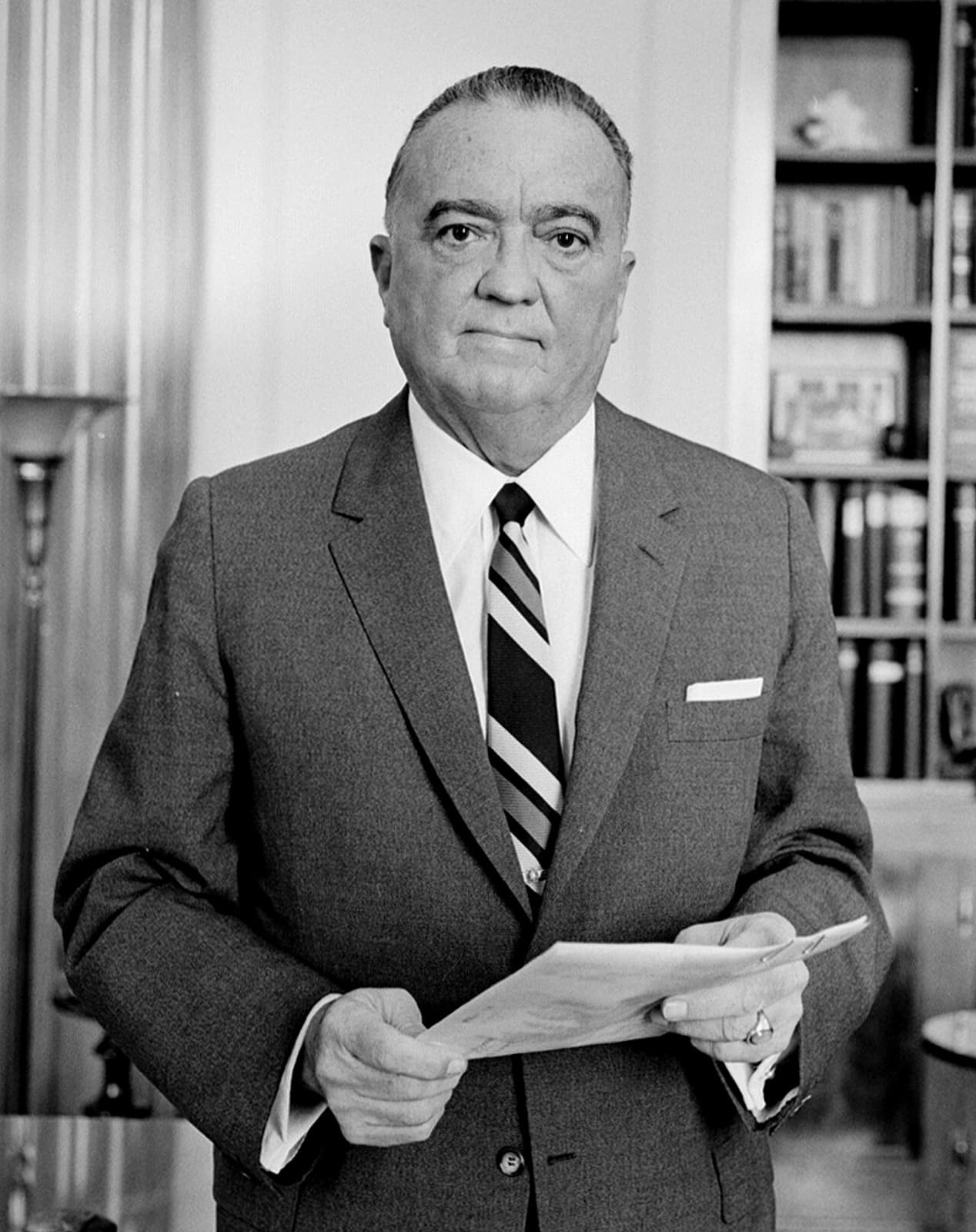
Atlanta Special Agent in Charge, Federal Bureau of Investigation / Foltz (1948). Mrs. Madeline Gwynne Merchant Patriotic Civilian Report / Eastern Air Lines Chiles-Whitted Sighting Routed to Director, August 1948 (Field-Office Dismissal Mechanism, Credibility Filtering, Institutional Non-Escalation). The UFO Files. https://the-ufo-files-site.netlify.app/dossier/merchant-wichita-falls-patriotic-civilian-august-1948
"Mrs. Madeline Gwynne Merchant Patriotic Civilian Report / Eastern Air Lines Chiles-Whitted Sighting Routed to Director, August 1948 (Field-Office Dismissal Mechanism, Credibility Filtering, Institutional Non-Escalation)." Atlanta Special Agent in Charge, Federal Bureau of Investigation / Foltz. 1948. https://the-ufo-files-site.netlify.app/dossier/merchant-wichita-falls-patriotic-civilian-august-1948.
Mrs. Madeline Gwynne Merchant Patriotic Civilian Report / Eastern Air Lines Chiles-Whitted Sighting Routed to Director, August 1948 (Field-Office Dismissal Mechanism, Credibility Filtering, Institutional Non-Escalation)
Case ID: FBI-62HQ-83894/merchant-wichita-falls-patriotic-civilian-august-1948
Agency: Atlanta Special Agent in Charge, Federal Bureau of Investigation / Foltz
Date: 1948-08-05
Source: https://www.war.gov/medialink/ufo/release_1/65_hs1-834228961_62-hq-83894_section_4.pdf
Retrieved: Fri May 08 2026 20:00:00 GMT-0400 (Eastern Daylight Time)
Mirrored on The UFO Files, an archive by Dead Pixel Design. The file is the file. Anything in question is one click from the original.
Summary
On August 5, 1948, Mrs. Madeline Gwynne Merchant of Wichita Falls, Texas sent a letter to the Atlanta Journal circulation department requesting newspaper clippings of the July 24, 1948 Eastern Air Lines sighting (Chiles-Whitted incident near Montgomery, Alabama). In the letter, Merchant explicitly framed her interest as patriotic (“prompted by interest in the defense of our country”), granted permission for the letter to be forwarded to the FBI, and indicated she had already reported the incident to Major Sidney Newburger of Los Alamos and “General Handy.” The letter was routed from the Atlanta Journal to the Atlanta SAC (Edwin J. Foltz), who on August 10, 1948 transmitted it to FBI Director with copies to Dallas and San Antonio offices. The Bureau received the letter and logged it as serial 62-83894-145 on August 12, 1948. However, a handwritten notation at the bottom of the cover memo states: “has comm nut / No action” — institutional code meaning the writer was assessed as a “communist nut” or crackpot, and therefore the case received no follow-up investigation. This case documents the field-office-level credibility filtering mechanism that dismissed civilian reports despite patriotic framing and military contact.
What the FBI Archive Documents Show
Merchant’s Letter and Patriotic Framing (Page 183-184)
Merchant’s letter, dated August 5, 1948, requests newspaper clippings of the Eastern Air Lines Chiles-Whitted sighting:
“On July 25, 1948, I mailed a letter enclosing .35 cents in coin and an airmail self-addressed envelop to your circulation department, asking for tear sheets of the Atlanta Journal containing the stories on a “strange” or “mysterious” aircraft seen near Montgomery, Alabama, July 24, 1948, by two pilots, Cap’t C. S. Chiles and John B. Whitted, of the Eastern Air Lines.”
Merchant explicitly frames her interest in patriotic and defense-relevant terms:
“I assure you that my interest in the above stories is prompted by interest in the defense of our country, and you are hereby given my fullest permission to turn this letter requesting the copies of the stories over to the FBI, should you wish.”
She also indicates prior military reporting:
“The incident was, I believe, an important one. And though I have already made reports to Maj. Sidney Newburger of Los Alamos and to General Handy, I would appreciate the fuller newspaper stories appearing in the press there.”
Critical framing: Merchant explicitly invited FBI contact, linked her interest to national defense, mentioned prior military reporting channels, and requested newspaper documentation. The letter demonstrates institutional pathway recognition: civilian → military (Los Alamos, General Handy) → press documentation → FBI.
Atlanta SAC Cover Memo and Institutional Routing (Page 53)
SAC Edwin J. Foltz transmitted the letter to FBI Director on August 10, 1948:
“Transmitted herewith for the Bureau’s information are copies of a letter, together with enclosure, from the above captioned individual. Inasmuch as there is no record in this office concerning captioned person, no reply has been made to instant letter, with the thought the Bureau may desire to acknowledge instant communication or communicate further concerning the matter with the Dallas Office.”
Institutional notation: Foltz states “no record in this office concerning captioned person” — establishing that Merchant had no prior FBI contact history. Yet instead of investigating or interviewing, he notes that “no reply has been made to instant letter.” The case is forwarded to the Director with distribution to Dallas and San Antonio field offices.
Field-Office Dismissal Notation (Page 53, Bottom Annotations)
At the bottom of the cover memo, a handwritten notation in red ink states:
“has comm nut / No action”
Critical meaning: This notation is institutional code. “Comm nut” = communist nut or crackpot. The phrase establishes the dismissal criteria: the writer was assessed by field office staff as lacking credibility based on a credibility judgment (likely her patriotic language, military connection interest, or Los Alamos mention triggered communist-sympathizer suspicion in 1948 Cold War context), and therefore received no investigative follow-up.
The Bureau filed the case under serial 62-83894-145 and recorded receipt on August 12, 1948, but the handwritten dismissal notation precluded action.
Why This Matters
-
Field-office-level credibility filtering documents the institutional dismissal mechanism in real time. The Air Defense Command policy (February 1948) established the “hoax/publicity-seeking” dismissal threshold. The Merchant case demonstrates how that policy was operationalized at field-office level: credibility assessment (single handwritten notation by staff member) → dismissal → no investigation. Unlike the ADC policy (which required reporting dismissed cases to FBI), the field office’s “no action” notation meant the case received no follow-up.
-
Patriotic framing and explicit FBI consent invitation failed to trigger investigation. Merchant did not speculate or claim direct knowledge. She simply requested newspaper documentation of a military-pilot sighting and explicitly invited FBI contact. Her patriotic language (“interest in the defense of our country”) did not overcome the field office’s credibility judgment. This demonstrates that patriotic framing was not a protection against dismissal.
-
Military contact does not guarantee escalation. Merchant stated she had already reported to Major Sidney Newburger (Los Alamos) and “General Handy.” These are institutional military contacts with known identities at known locations. Yet the FBI field office did not follow up, verify her military contacts, or interview her about those prior reports. The case remained at field-office level.
-
Cold War credibility framework targets military-adjacent interest. The “comm nut” notation suggests that Merchant’s mention of Los Alamos, her interest in defense matters, and her explicit FBI routing were interpreted through a Cold War security lens: potential communist interest in military installations. This reframes what Merchant presented as patriotic concern into a security risk, triggering dismissal rather than investigation.
-
Director-level receipt does not guarantee Director-level handling. The case reached the FBI Director through SAC routing, but the Director’s office did not override the field office’s dismissal notation. The presence of “No action” at receipt meant no Bureau-level review, no interview, and no follow-up.
-
Newspaper documentation request as credibility filter. Merchant’s request for newspaper clippings (rather than direct witness testimony) may have been interpreted as lack of direct knowledge. However, her explicit statement that she had already made military reports suggests she was seeking corroboration documentation, not primary evidence. The motivation was institutional (military verification), not personal (direct observation claim).
-
Bureau institutional posture on unsolicited civilian reports in 1948. This case documents the Bureau’s response when a civilian explicitly offers information about a military-pilot sighting. The response is not interview, not follow-up, not forwarding to relevant military command — it is field-office dismissal notation and filing. This establishes the baseline Bureau posture on civilian UAP reports in mid-1948, before Hoover’s July 1949 personal engagement in higher-credibility cases.
-
Institutional memory of military reporting channels is not preserved. Merchant’s reference to Major Sidney Newburger (Los Alamos) and General Handy represents institutional routing through military channels. The FBI did not verify these reports, contact the military recipients, or integrate her letter with military reporting streams. Each channel (military, FBI, press) operated independently without cross-verification.
Connections
- PURSUE full inventory
- air-defense-command-institutional-baseline-policy-february-1948 — establishes dismissal policy baseline that Merchant case operationalizes at field-office level
- civilian-correspondence-hoover-pattern-1949-1950 — broader civilian correspondence pattern with form-reply framework; Merchant case predates Hoover correspondence pattern
- pervier-tulsa-fbi-agent-corroboration-1950 — contrasting case: civilian report with FBI institutional self-corroboration (vs. Merchant non-escalation)
Entity: Los AlamosEntity: Eastern Air LinesConcept: Institutional Dismissal Baseline vs. Hoover-Level Engagement, 1947-1950Concept: Field-Office Credibility Filtering as Institutional Mechanism
Open Questions
-
Who wrote the “has comm nut / No action” notation? The handwriting is not attributed to Foltz or any named official. Was it a clerical staff member? A security officer? An intelligence analyst? The lack of attribution suggests field-office administrative judgment without supervisory approval.
-
What was the meaning of “comm nut” in the Atlanta field office’s 1948 usage? Was it a standard dismissal phrase in the Atlanta office? Did it refer to communist sympathizer, communist informant, or simply “crackpot”? The Cold War context suggests potential security interpretation, not necessarily psychiatric assessment.
-
Did the FBI ever verify Merchant’s military contacts (Newburger, Handy)? Merchant provided specific named military recipients. Did the Bureau cross-check with Los Alamos to confirm she had made reports to Major Newburger? Did the Bureau contact General Handy’s office? There is no evidence of verification in the case file.
-
Who is “General Handy” and what was his role in UAP reporting? Merchant references “General Handy” without further identification. Is this General Thomas Troy Handy (Army Operations), or another general? If this is an identifiable military officer, what was his known role in UAP matters?
-
Was Merchant’s prior military reporting a security concern rather than a credibility asset? The “comm nut” notation may reflect concern about her military connections (Los Alamos mention), not assessment of her testimony credibility. Did the FBI interpret military-adjacent civilian interest as potential espionage risk rather than patriotic information sharing?
-
Why did the Atlanta SAC forward the case to Director if the field office deemed it unworthy of action? Foltz’s memo states “no reply has been made to instant letter, with the thought the Bureau may desire to acknowledge instant communication.” This suggests Foltz was deferring to Director’s judgment, yet the Director’s office did not override the field-office dismissal notation.
-
What happened to Merchant’s prior reports to Major Newburger and General Handy? The case file does not reference parallel military investigation records. Were those reports filed separately in military channels? Do Los Alamos records preserve Merchant’s reporting to Major Newburger?
-
Eastern Air Lines Chiles-Whitted July 24, 1948 sighting — was this case independently investigated? Merchant’s interest in newspaper clippings suggests public reporting existed. The FBI should have a separate case file on the Chiles-Whitted incident. Does the Chiles-Whitted case file reference civilian correspondence or Merchant’s interest?
Quotes Worth Keeping
“I assure you that my interest in the above stories is prompted by interest in the defense of our country, and you are hereby given my fullest permission to turn this letter requesting the copies of the stories over to the FBI, should you wish.” — Mrs. Madeline Gwynne Merchant, August 5, 1948, letter to Atlanta Journal circulation department. Explicit patriotic framing and FBI consent.
“The incident was, I believe, an important one. And though I have already made reports to Maj. Sidney Newburger of Los Alamos and to General Handy, I would appreciate the fuller newspaper stories appearing in the press there.” — Mrs. Madeline Gwynne Merchant, August 5, 1948. Prior military reporting to Los Alamos and named general.
“Transmitted herewith for the Bureau’s information are copies of a letter, together with enclosure, from the above captioned individual. Inasmuch as there is no record in this office concerning captioned person, no reply has been made to instant letter, with the thought the Bureau may desire to acknowledge instant communication or communicate further concerning the matter with the Dallas Office.” — SAC Edwin J. Foltz, Atlanta field office, August 10, 1948. Institutional non-response with deferral to Director.
“has comm nut / No action” — Handwritten notation, bottom of FBI 62-83894-145, August 1948. Field-office dismissal annotation establishing institutional credibility filtering.